
Excerpt
Boost your worm bin fast. Discover how to make red wigglers multiply quickly with simple feeding, bedding, and care tips for rapid reproduction.
Make Your Red Wigglers Multiply Quickly
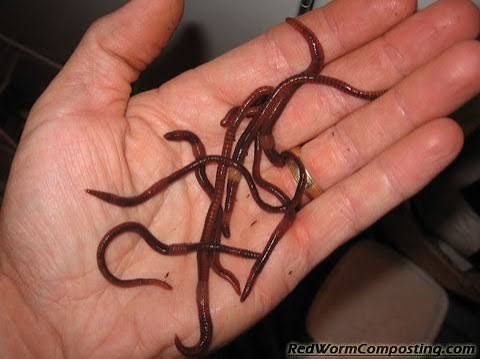
If you want to boost your worm bin productivity, learning how to make red wigglers multiply quickly is essential. Red wigglers (Eisenia fetida) are among the best composting worms because they reproduce rapidly under the right conditions. By optimizing their environment, diet, and care routine, you can dramatically increase your worm population and produce more nutrient-rich vermicompost.
This guide covers practical, easy-to-follow strategies to help your composting worms breed faster and stay healthy.
Why Red Wigglers Multiply Fast
Red wigglers are prolific breeders. Under ideal conditions, a mature worm can produce cocoons every week, and each cocoon can hatch 2–5 baby worms. Within a few months, your worm population can double or even triple.However, but if conditions are not optimal, reproduction slows down significantly. That is why proper worm bin management is key.
Ideal Conditions for Fast Worm Reproduction
To make red wigglers multiply quickly, focus on creating a stable, comfortable environment.
Temperature: Keep the worm bin between 15°C and 25°C. Worms reproduce fastest around 20°C.
Moisture: Bedding should feel like a wrung-out sponge. Too dry or too wet slows breeding.
Oxygen: Ensure good airflow by fluffing bedding regularly and avoiding compaction.
Darkness: Worms prefer dark environments; keep bins covered and away from direct sunlight.
Maintaining these conditions consistently is one of the most effective ways to increase worm reproduction rates.
Feed Your Worms the Right Way
Feeding is one of the biggest factors in how quickly your red wigglers multiply.Provide nitrogen-rich foods like fruit scraps, vegetable peels, and coffee grounds.Avoid overfeeding; uneaten food can rot and harm worms.
Chop food into small pieces to speed up decomposition.Balance greens (food waste) with browns (paper, cardboard) to prevent odors.A well-fed worm bin encourages faster cocoon production and healthier worms.
Expand Your Worm Habitat
https://vermontworms.com/wp-content/uploads/2026/07/Red-wrigglers.jpg
Overcrowding can slow down reproduction. When worms run out of space, they may stop breeding.
Add more bedding regularly to increase living space.
Upgrade to a larger bin if needed
.
Split your worm bin into two systems once the population grows.More space signals to worms that conditions are safe for reproduction, helping them multiply faster.
Use High-Quality Bedding
Bedding is not just a home—it is also a food source.Use shredded newspaper, cardboard, coconut coir, or aged compost.Keep bedding moist but not soggy.Replace or refresh bedding periodically.Healthy bedding supports microbial activity, which worms rely on for food and reproduction.
Maintain Proper pH Levels
Red wigglers thrive in a neutral pH environment (around 6.5–7.5) Add crushed eggshells to balance acidity.
void too many citrus peels or acidic foods.Monitor for signs of imbalance, such as worms trying to escape.
Balanced pH levels encourage faster breeding and prevent stress in your worm population.
Harvest Worm Castings Regularly
If your bin is full of finished compost, worms may slow down reproduction.Harvest worm castings every 2–3 months.Leave some finished compost to maintain beneficial microbes.
Add fresh bedding after harvesting.This keeps the environment fresh and encourages continued breeding.
Avoid Common Mistakes
Even small mistakes can reduce reproduction rates.
Overfeeding leads to foul odors and poor conditions.
Too much moisture can cause anaerobic environments.
Lack of airflow can suffocate worms.
Extreme temperatures can halt breeding completely.
By avoiding these issues, you create a stable system where worms can thrive and reproduce quickly.
Example: Doubling Your Worm Population
Imagine starting with 500 red wigglers in a well-maintained bin. If each worm produces cocoons regularly, your population could double within 60–90 days. By maintaining ideal conditions, you could reach 1,000 worms in just a few months without buying more.
This is why vermicomposting is so efficient for both waste reduction and soil improvement.
FAQ: Red Wigglers Reproduction
What is the fastest way to make red wigglers multiply?
The fastest way is to maintain ideal temperature, moisture, and feeding conditions while ensuring the bin is not overcrowded.
How long does it take for red wigglers to reproduce?
Red wigglers can start reproducing within 30–60 days, and cocoons hatch in about 2–3 weeks.
What do red wigglers need to breed?
They need moist bedding, moderate temperatures, plenty of food, and enough space to grow.
How often should I feed my worms?
Feed them 2–3 times per week in small amounts, depending on how quickly they consume food.
Can worms reproduce in a small bin?
Yes, but reproduction may slow if the bin becomes overcrowded. SO, expanding space helps maintain growth.
Do red wigglers multiply in winter?
Reproduction slows in colder temperatures. Therefore keeping bins indoors or insulated can maintain breeding rates.
Final Thoughts
Learning how to make red wigglers multiply quickly comes down to consistency. By providing the right environment, feeding properly, and avoiding common mistakes, you can grow a thriving worm population in a short time.
Whether you are composting at home or scaling up for vermiculture, these simple strategies will help you get the most out of your red wigglers.
Related Keyphrases
how to breed red wigglers
worm composting tips
best conditions for compost worms
how to increase worm population
red wigglers reproduction rate
Internal Linking Ideas
Add links in your post to:
“Best food for compost worms”
“How to start a worm bin”
“How to harvest worm castings”
Image SEO Example
If you add images, optimize like this:
File name: red-wigglers-compost-bin.jpg
Alt text: red wigglers in compost bin multiplying quickly


